Do You Need a Car in Lincoln Park?
No. Lincoln Park is one of the most walkable, bikeable, and transit-connected neighborhoods in Chicago. According to Walk Score, Lincoln Park rates an 87 for walkability and a 78 for transit — meaning most daily errands, commutes, and social outings can happen without a car.
Most Lincoln Park residents under 35 do not own a car. The math is straightforward: between parking ($150-250/mo), insurance ($100-200/mo), gas, and the occasional ticket, car ownership in Lincoln Park costs $350-550/mo minimum. The CTA monthly pass costs $75. The difference — $275 to $475 every month — pays for a lot of rideshares on the rare nights you actually need one.
This guide covers every practical transit option available from Lincoln Park, including real travel times to the destinations that matter most.
For a complete overview of the neighborhood, see the full Lincoln Park guide.
CTA Train Lines
The CTA "L" is your primary way to get anywhere in Chicago from Lincoln Park. Two major lines serve the neighborhood, and together they connect you to downtown, the airports, and nearly every other neighborhood worth visiting.
Red Line
The Red Line is Lincoln Park's workhorse. It runs 24 hours a day, 7 days a week — the only CTA line with true round-the-clock service. Two Red Line stations serve Lincoln Park:
- North/Clybourn — at the neighborhood's southern edge, steps from Post Chicago at 853 W Blackhawk St. This is the closest station for residents on Blackhawk, Clybourn, and the southern half of the neighborhood.
- Fullerton — at the heart of the neighborhood, directly adjacent to DePaul University's campus. Fullerton is also a transfer point to the Brown and Purple Express lines, making it one of the most connected stations in the system.
Travel times from North/Clybourn (Red Line):
| Destination | Time | Notes |
|---|---|---|
| The Loop (State/Lake) | 12 min | Direct, no transfer |
| Wrigley Field (Addison) | 10 min | Northbound, direct |
| Chinatown | 20 min | Southbound, direct |
| O'Hare Airport | 50 min | Transfer to Blue Line at Jackson |
| Midway Airport | 40 min | Transfer to Orange Line at Roosevelt |
| Howard (Evanston connection) | 30 min | Northbound, direct |
The Red Line's 24-hour service is the reason many Lincoln Park residents feel comfortable without a car. A late dinner downtown, a concert at Metro in Wrigleyville, or an early morning flight from O'Hare — the Red Line handles all of it.
Brown Line
The Brown Line runs through the interior of Lincoln Park with three stations:
- Armitage — at Armitage and Sheffield, in the heart of Lincoln Park's residential core
- Fullerton — shared with the Red Line, a major transfer hub
- Sedgwick — at the neighborhood's southern boundary near Old Town
The Brown Line follows the Loop elevated tracks through downtown, then continues northwest through neighborhoods like Ravenswood, Albany Park, and Lincoln Square. It does not run 24 hours — service typically ends around 1:30 AM and resumes around 4 AM.
Where the Brown Line takes you:
| Destination | From Armitage | Notes |
|---|---|---|
| Merchandise Mart | 8 min | River North shopping and offices |
| The Loop (Washington/Wells) | 12 min | Direct, no transfer |
| Wicker Park (transfer to Blue) | 15 min | Transfer at Clark/Lake |
| Lincoln Square | 18 min | Northbound, direct |
| Albany Park | 25 min | End of the line |
According to CTA ridership data, Fullerton station sees approximately 55,000 riders daily — a reflection of how central Lincoln Park is to the broader transit network.
Bus Routes Worth Knowing
Buses fill the gaps that the L can't reach. Lincoln Park is served by several routes, but four are genuinely useful for daily life.
#8 Halsted
Runs north-south along Halsted Street, one of Lincoln Park's main arteries. This bus connects you to the South Loop, UIC, Greektown, and points south without a train transfer. Useful for reaching destinations on the Near West Side that the Red and Brown Lines don't serve directly.
#73 Armitage
Runs east-west along Armitage Avenue from the lakefront to the western neighborhoods. This is the bus you take to reach the lakefront parks, North Avenue Beach, and the Armitage shopping corridor. It also connects to western neighborhoods like Bucktown without needing a train.
#74 Fullerton
Runs east-west along Fullerton Avenue, connecting DePaul's campus to Fullerton Beach and the lakefront. During the academic year, this bus is heavily used by students commuting between campus buildings and lakefront study spots.
#36 Broadway
Runs north along Broadway from downtown up through Lakeview. Useful for reaching restaurants and bars on the Broadway corridor north of Diversey without taking the L.
CTA fare basics: A single ride costs $2.50 with a Ventra card. A 30-day unlimited pass costs $75. If you ride twice a day on weekdays, the pass pays for itself by day 15 — everything after that is free.
Biking in Lincoln Park
Lincoln Park is one of the best neighborhoods in Chicago for cycling. The terrain is flat, protected bike lanes are expanding every year, and the trail network provides car-free routes to destinations across the North Side.
Divvy Bike Share
Divvy stations are on nearly every other block in Lincoln Park. The system operates 24/7 with both classic pedal bikes and electric-assist e-bikes. An annual membership costs $119/year for unlimited 45-minute classic rides — which covers virtually any trip within the neighborhood or to adjacent areas.
E-bikes cost an additional per-minute fee but are worth it for longer trips or when you need to arrive without breaking a sweat. A Divvy e-bike from Lincoln Park to the Loop takes about 15 minutes.
Lakefront Trail
The Lakefront Trail runs 18 miles along Lake Michigan, from Ardmore Avenue on the North Side to 71st Street on the South Side. The trail's Lincoln Park segment provides a completely car-free commute route to neighborhoods like Lakeview (north) and the Loop/Museum Campus (south). During rush hour, the Lakefront Trail is often faster than driving or taking the L for distances under 5 miles.
606/Bloomingdale Trail
The 606 Trail is a 2.7-mile elevated rail-trail that begins just two blocks from Post Chicago. The eastern trailhead at Ashland Avenue connects Lincoln Park to Bucktown, Wicker Park, Humboldt Park, and Logan Square via a completely grade-separated path. It is one of the most popular cycling and running routes in the city, and it puts four distinct neighborhoods within a 15-minute bike ride.
Protected Bike Lanes
Lincoln Park has protected or buffered bike lanes on several key streets, including Clybourn Avenue, Halsted Street, and portions of Lincoln Avenue. The city of Chicago has been expanding its protected bike lane network annually, and Lincoln Park's density makes it a priority area for new infrastructure.
If you own a bike, Post Chicago offers secure bike storage in the building — no need to lock your bike to a rack outside.
How Much Do You Save Without a Car?
The financial case for going car-free in Lincoln Park is overwhelming. Here's how the numbers break down for a typical young professional or student.
Monthly Car Ownership Costs in Lincoln Park
| Expense | Monthly Cost |
|---|---|
| Parking (garage or street permit + spot) | $150-250 |
| Car insurance (Chicago rates, under-30 driver) | $120-200 |
| Gas (average 400 mi/mo, city driving) | $60-90 |
| Maintenance and repairs (amortized) | $50-80 |
| City sticker + registration (amortized) | $15-20 |
| Total | $395-640 |
That estimate doesn't include car payments. If you're financing a vehicle, add $300-600/mo on top.
Monthly Car-Free Costs
| Expense | Monthly Cost |
|---|---|
| CTA 30-day pass | $75 |
| Divvy annual membership (amortized) | $10 |
| Rideshare budget (4-6 rides/mo) | $40-80 |
| Total | $125-165 |
$200+
Monthly savings without a car in Lincoln Park
The difference is at minimum $230/mo and realistically closer to $400/mo — that's $2,760 to $4,800 per year redirected from car expenses to rent, savings, or experiences. Over a two-year lease in Lincoln Park, going car-free saves you $5,500 to $9,600.
For a side-by-side comparison of Lincoln Park's transit access versus other popular neighborhoods, check out Lincoln Park vs. Wicker Park vs. Lakeview.
Living Car-Free at Post Chicago
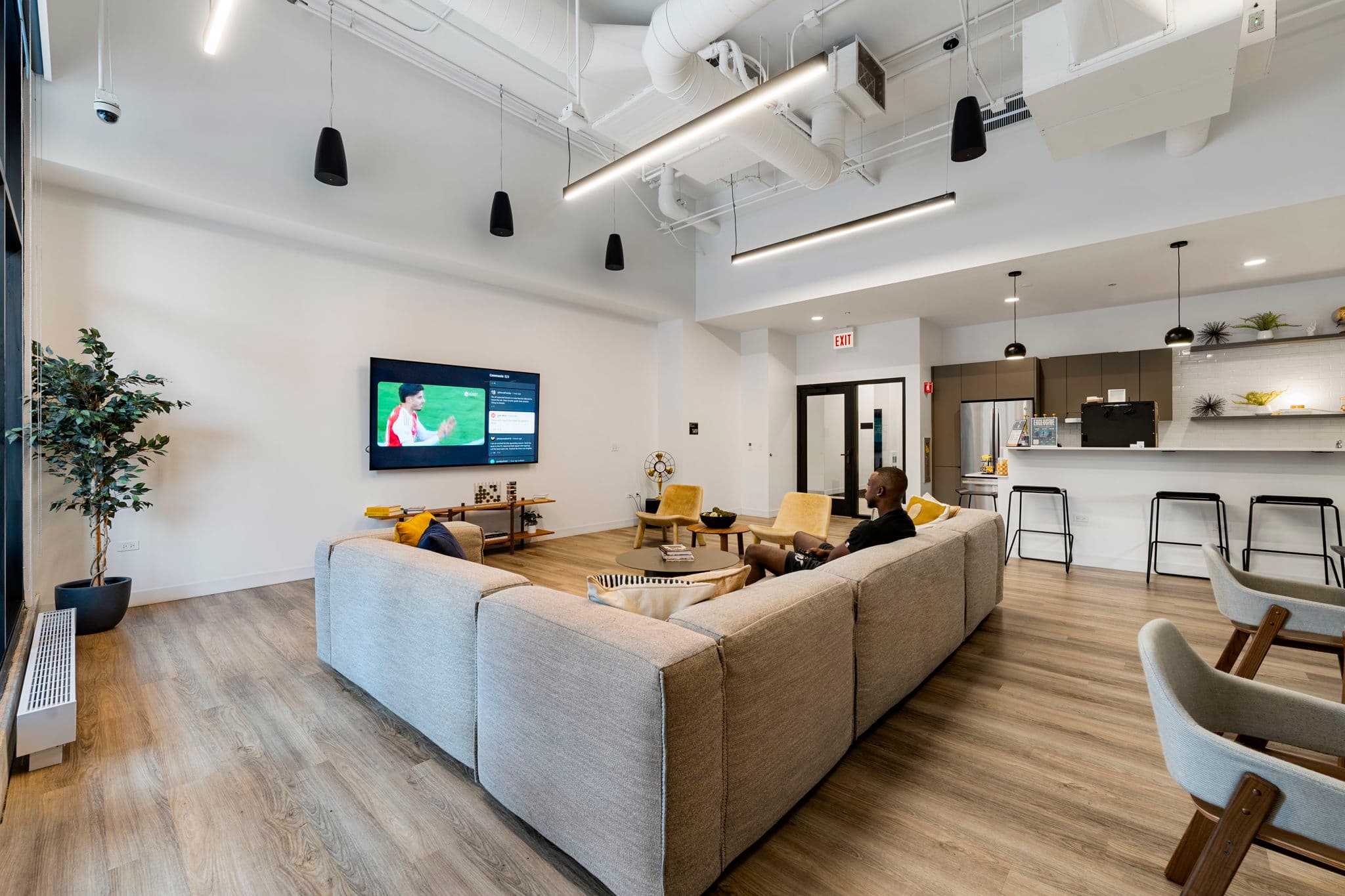
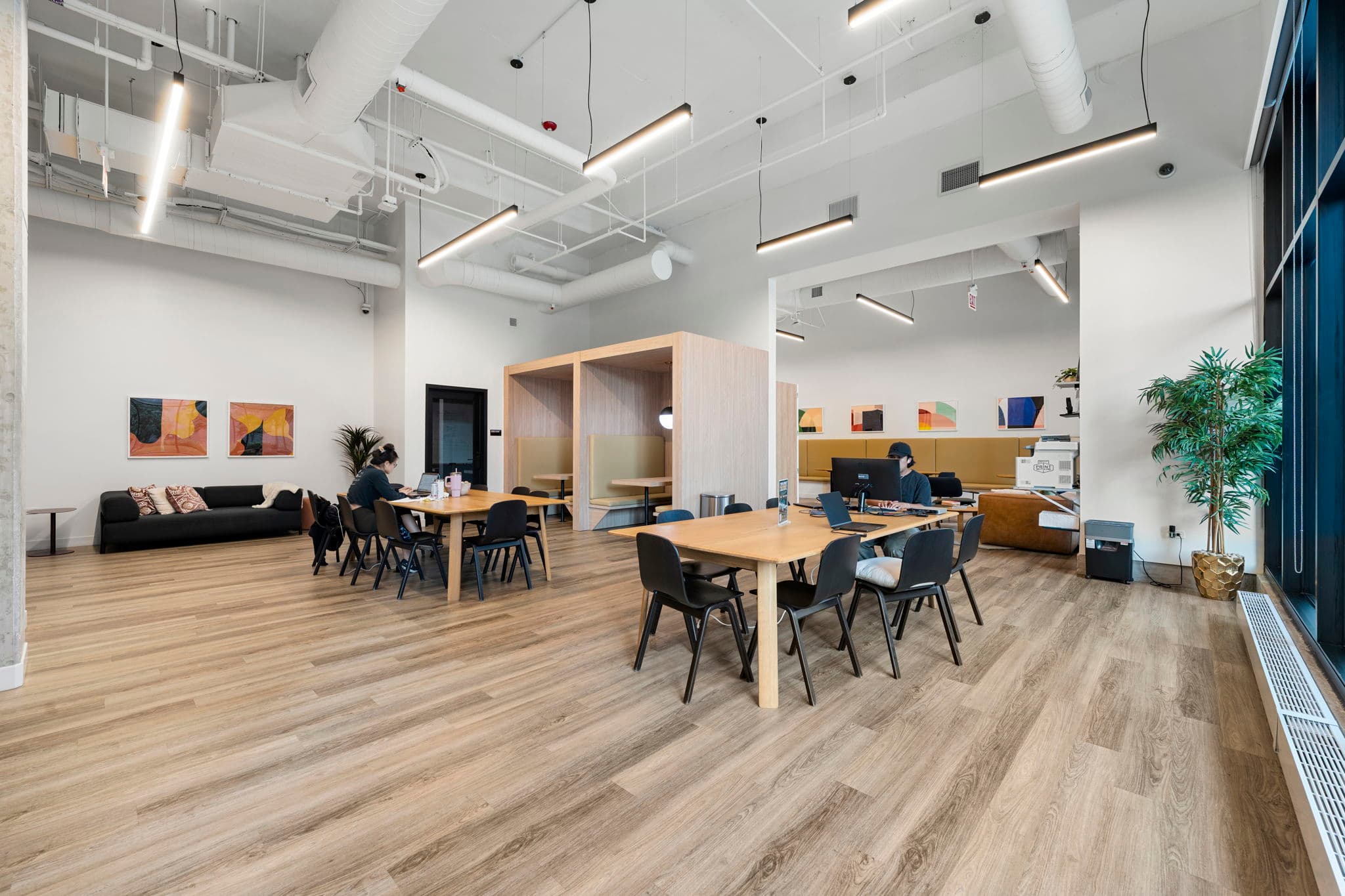
Post Chicago at 853 W Blackhawk St is positioned for car-free living by design. The building sits a 5-minute walk from the North/Clybourn Red Line station, giving you 24-hour rail access to the rest of the city. The 606 Trail eastern trailhead is two blocks away. Divvy stations are within a one-minute walk in multiple directions. Trader Joe's, Whole Foods, and ALDI are all within a 10-minute walk for groceries.
The building does not require you to rent a parking space — because most residents don't need one. The monthly savings from going car-free in Lincoln Park can offset a meaningful portion of your rent. At Post Chicago's starting rate of $1,350/mo all-inclusive, a car-free resident's total housing and transportation cost is roughly $1,475-1,515/mo — less than what many Chicagoans pay for a traditional apartment plus parking alone.
Car-Free Living, Simplified
Post Chicago is steps from the Red Line, the 606 Trail, and Divvy bikes. Everything you need is within walking distance — or one train stop away.
Check AvailabilityFAQ