How Do These Three Neighborhoods Compare?
Lincoln Park, Wicker Park, and Lakeview are the three neighborhoods that come up most often when young professionals, students, and relocators ask "where should I live in Chicago?" All three are on the North Side, all three have strong transit access, and all three have the restaurants, bars, and walkability that make city living worth the rent. But they are not the same neighborhood — and choosing the wrong one can make your first year in Chicago feel like a mismatch.
This comparison is based on current market data, U.S. Census Bureau neighborhood demographics, CTA transit information, and the firsthand experience of housing hundreds of young professionals in Lincoln Park at Post Chicago. The goal is not to sell you on one neighborhood — it's to help you make an informed choice.
The Quick Comparison
| Factor | Lincoln Park | Wicker Park | Lakeview |
|---|---|---|---|
| Avg 1BR Rent | $1,800-2,400 | $1,700-2,200 | $1,600-2,100 |
| Walk Score | 87 | 95 | 83 |
| Transit | Red/Brown Line | Blue Line | Red/Brown Line |
| Vibe | Upscale residential | Creative/trendy | Young and social |
| Dining | Michelin stars + neighborhood gems | Farm-to-table + dive bars | Diverse + affordable |
| Parks | Lincoln Park (1,208 acres) | Wicker Park + 606 Trail | Wrigley Field area |
| Safety | Highest of the three | Moderate | Moderate |
| Lake Access | Direct (beaches, Lakefront Trail) | None | Direct (Belmont Harbor) |
| Best For | Professionals, DePaul students, families | Creatives, nightlife, Blue Line commuters | Budget-conscious, sports fans, LGBTQ+ community |
Each of these factors matters differently depending on your lifestyle, commute, and budget. The sections below break down what daily life actually feels like in each neighborhood.
Lincoln Park: Best For Professionals, Students, and People Who Want Balance
Lincoln Park is the polished older sibling of Chicago's North Side neighborhoods. The streets are tree-lined, the brownstones are well-maintained, the park itself is 1,208 acres of lakefront green space, and the dining ranges from a $12 falafel at Sultan's Market to a Michelin-starred tasting menu at Boka. It's the neighborhood where you can run the Lakefront Trail at sunrise, work from a coffee shop until noon, grab lunch at a neighborhood bistro, and walk home without ever needing a car or a CTA fare.
Who Thrives Here
- Young professionals who want a quiet residential street but easy access to dining and nightlife. Lincoln Park's bar scene skews neighborhood-pub rather than club, which suits people who left the late-night scene behind after college.
- DePaul students and graduate students at nearby universities who want to live in a safe, walkable neighborhood with direct Red Line access to downtown campuses and hospitals.
- People relocating to Chicago for the first time, who want a neighborhood that's easy to navigate, close to everything, and universally considered a good address.
The Tradeoffs
Lincoln Park is the most expensive of the three neighborhoods for traditional apartments. A one-bedroom runs $1,800-2,400/mo unfurnished, and studios start around $1,400. Parking is difficult and expensive ($150-250/mo for a garage space). The nightlife scene is quieter than Wicker Park or Lakeview — if you want to be in the center of the action on a Saturday night, Lincoln Park is not where the action lives.
Transit
The Red Line (North/Clybourn and Fullerton stations) and Brown Line (Armitage, Fullerton, Sedgwick) give Lincoln Park two of the CTA's most useful lines. Fullerton station is a major hub where the Red, Brown, and Purple Express lines converge. The Loop is 12-15 minutes away by train. The Red Line runs 24 hours.
The Numbers
- Median household income: ~$105,000 (source: U.S. Census Bureau)
- Walk Score: 87
- Transit Score: 78
- Green space: 1,208-acre Lincoln Park, North Avenue Beach, Diversey Harbor, Oz Park, the 606 Trail (eastern trailhead)
For a deep dive into the neighborhood, read the full Lincoln Park guide.
Wicker Park: Best For Creatives, Nightlife Lovers, and Blue Line Commuters
Wicker Park is where Chicago's creative energy concentrates. The neighborhood — centered around the six-way intersection of Milwaukee, North, and Damen — has the highest density of cocktail bars, live music venues, independent boutiques, and late-night restaurants on the North Side. The vibe is younger and edgier than Lincoln Park, with more tattoo shops and vintage stores than yoga studios and Whole Foods.
Who Thrives Here
- Creatives, freelancers, and startup workers who want a neighborhood that reflects their energy. Wicker Park's co-working spaces, coffee shops, and bar scene cater to a crowd that works non-traditional hours and values aesthetics.
- Nightlife enthusiasts who want to be within walking distance of the city's best cocktail bars (The Violet Hour, Bordel), live music (Empty Bottle, Subterranean), and late-night dining that actually stays open past 10 PM.
- Blue Line commuters heading to the Loop, O'Hare Airport, or West Side employers. The Damen Blue Line station sits at the neighborhood's center and provides direct service to the Loop in about 10 minutes.
The Tradeoffs
Wicker Park has no lakefront access — it's an inland neighborhood, and the nearest beach (North Avenue Beach) is a 20-minute bike ride or a transit transfer away. Green space is limited compared to Lincoln Park: Wicker Park the park is nice but small, and the 606 Trail is a linear path, not a sprawling green oasis. The neighborhood is also louder — Division Street and Milwaukee Avenue are active late into the night, which is great if you're out but less great if your bedroom window faces the street.
Rent has climbed steadily as the neighborhood has gentrified. One-bedrooms now run $1,700-2,200/mo, approaching Lincoln Park prices without Lincoln Park's green space or lakefront.
Transit
The Blue Line (Damen station) is Wicker Park's primary rail connection. It runs to the Loop in about 10 minutes and directly to O'Hare Airport in about 40 minutes — making Wicker Park the strongest neighborhood of the three for frequent flyers. The trade-off is that the Blue Line does not connect to the Red or Brown Lines without a transfer downtown, so reaching neighborhoods like Lakeview, Lincoln Park, or the North Side takes longer.
The Numbers
- Walk Score: 95 (the highest of the three)
- Transit Score: 72
- Green space: Wicker Park, the 606/Bloomingdale Trail, limited lakefront access
- Dining density: Among the highest in Chicago, concentrated along Milwaukee, Division, and Damen
Lakeview: Best For Budget-Conscious Renters, Sports Fans, and the LGBTQ+ Community
Lakeview sits directly north of Lincoln Park and stretches from Diversey Parkway to Irving Park Road. It's a large, diverse neighborhood that contains several distinct sub-neighborhoods — including Wrigleyville (surrounding Wrigley Field) and Boystown (one of the most established LGBTQ+ neighborhoods in the country, centered on North Halsted Street between Belmont and Addison).
Who Thrives Here
- Budget-conscious renters who want North Side living without North Side premium pricing. Lakeview's rents run 10-15% lower than Lincoln Park's, and the neighborhood still has strong walkability, transit, and dining options.
- Sports fans who want to live near Wrigley Field. During baseball season, Wrigleyville transforms into a neighborhood-wide tailgate — bars open at 10 AM for day games, and the energy is unmatched.
- The LGBTQ+ community. Boystown has been a center of LGBTQ+ culture in Chicago for decades, with dedicated bars, businesses, community organizations, and the annual Pride Parade. While the community has expanded across the city, Boystown remains the cultural heart.
- Young professionals in their mid-20s who want an active social scene with more options and lower prices than Lincoln Park.
The Tradeoffs
Lakeview's biggest weakness is noise, especially in Wrigleyville during baseball season and on weekend nights along Clark Street. The neighborhood is also physically larger and less cohesive than Lincoln Park or Wicker Park — the vibe shifts significantly depending on whether you're near Belmont, Wrigley Field, or the quieter western blocks. Walk Score is lower (83) because the neighborhood's western edge is more suburban-feeling and less dense with amenities.
Transit
The Red Line (Belmont, Addison, and Sheridan stations) and Brown Line (Diversey, Paulina, Southport) both serve Lakeview. The Belmont station is a major transfer hub for the Red, Brown, and Purple lines. Access to the Loop takes 15-20 minutes. Like Lincoln Park, the Red Line provides 24-hour service.
The Numbers
- Average 1BR rent: $1,600-2,100/mo
- Walk Score: 83
- Transit Score: 78
- Green space: Wrigley Field area, Belmont Harbor, direct lakefront access
- Nightlife density: High, especially along Clark Street and in Boystown
The Deciding Factors: A Practical Framework
Most people choosing between these three neighborhoods are really making a decision about 3-4 factors. Here's how to think through them.
If Your Top Priority Is Price
Choose Lakeview. One-bedrooms average $200-300/mo less than Lincoln Park, and the savings compound over a 12-month lease to $2,400-3,600/year. Wicker Park falls in the middle but offers less value per dollar than either alternative given its lack of lakefront and green space.
If Your Top Priority Is Nightlife
Choose Wicker Park. The density and quality of bars, restaurants, and music venues is unmatched. Lincoln Park has great individual spots but not the concentrated energy of the Milwaukee/Division/Damen corridor. Lakeview's Wrigleyville is lively but more sports-bar than cocktail-bar.
If Your Top Priority Is Green Space and Lakefront
Choose Lincoln Park. No contest. The 1,208-acre park, the Lakefront Trail, North Avenue Beach, the zoo, and the conservatory give Lincoln Park more outdoor amenity square footage than Wicker Park and Lakeview combined. Lakeview has lakefront access at Belmont Harbor, but it's not comparable in scale.
If Your Top Priority Is Safety
Choose Lincoln Park. All three neighborhoods are generally safe by Chicago standards, but Lincoln Park has the lowest crime rate of the three with active community policing and well-lit residential streets.
If Your Top Priority Is Transit to O'Hare
Choose Wicker Park. The Blue Line from Damen to O'Hare takes about 40 minutes with no transfer. From Lincoln Park or Lakeview, reaching O'Hare requires a transfer downtown, adding 15-20 minutes.
For a detailed look at getting around Lincoln Park without a car, see our transit guide.
The Co-Living Advantage in Lincoln Park
Lincoln Park's biggest drawback — its rent premium — is exactly what co-living solves. Traditional one-bedrooms in Lincoln Park start at $1,800/mo unfurnished, before utilities. By the time you add electricity, gas, internet, renter's insurance, and furnish the apartment, you're looking at $2,100-2,700/mo true monthly cost.
Co-living at Post Chicago starts at $1,350/mo all-inclusive — a private, furnished room in a shared apartment with utilities, WiFi, weekly cleaning, and building amenities bundled in. That's less than the average Lakeview one-bedroom, in a better neighborhood, with zero setup costs.
$1,350
Starting rent at Post Chicago — making Lincoln Park affordable
The math reframes the neighborhood comparison entirely. At $1,350/mo, Lincoln Park isn't the most expensive option — it's competitive with or cheaper than traditional apartments in Lakeview and Wicker Park, with more green space, better safety, and direct lakefront access.
What's Included at Post Chicago
- Fully furnished private room with bed, desk, and linens
- All utilities — electric, gas, water, trash
- 500+ Mbps WiFi
- Weekly professional cleaning of shared spaces
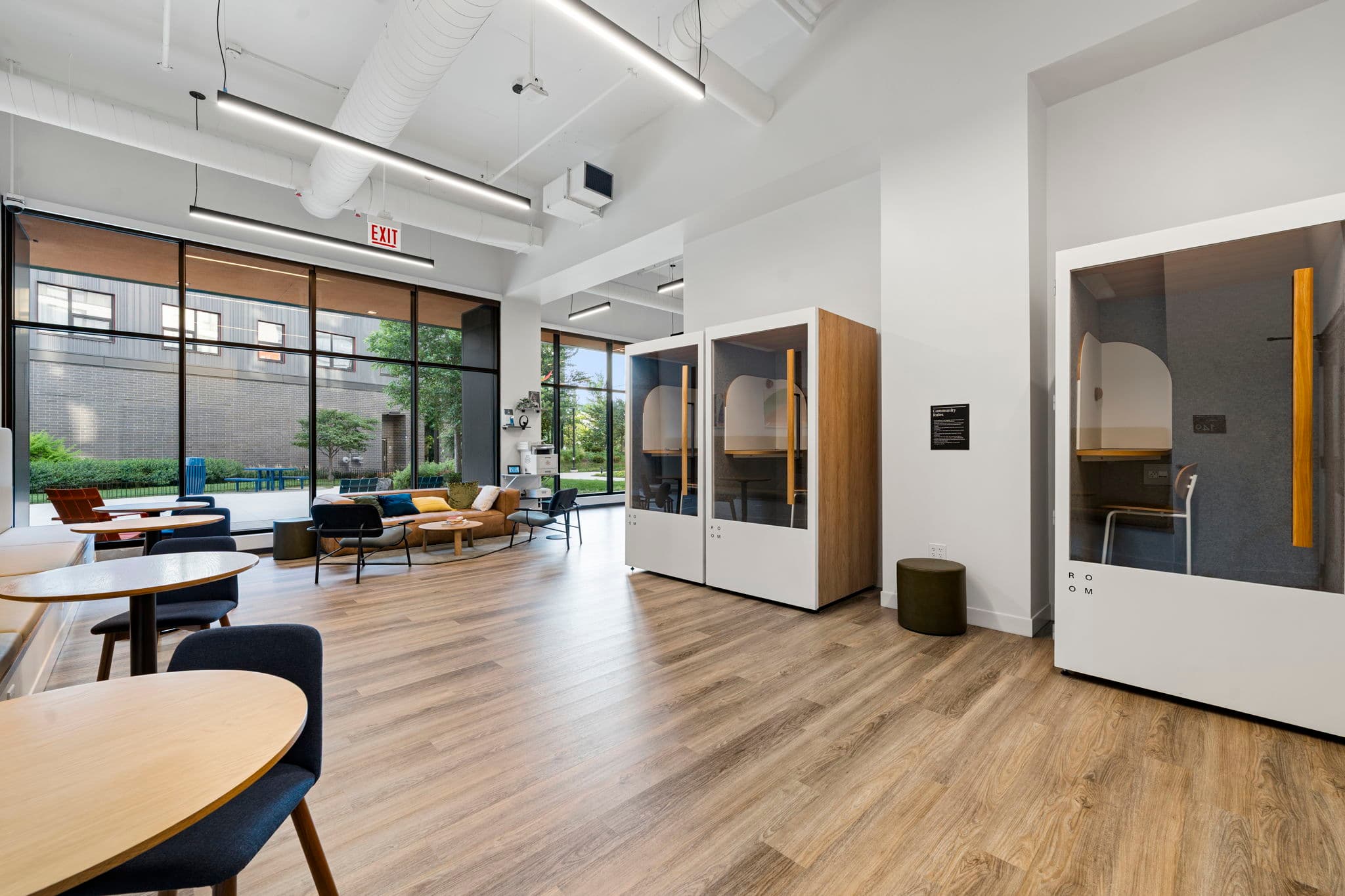
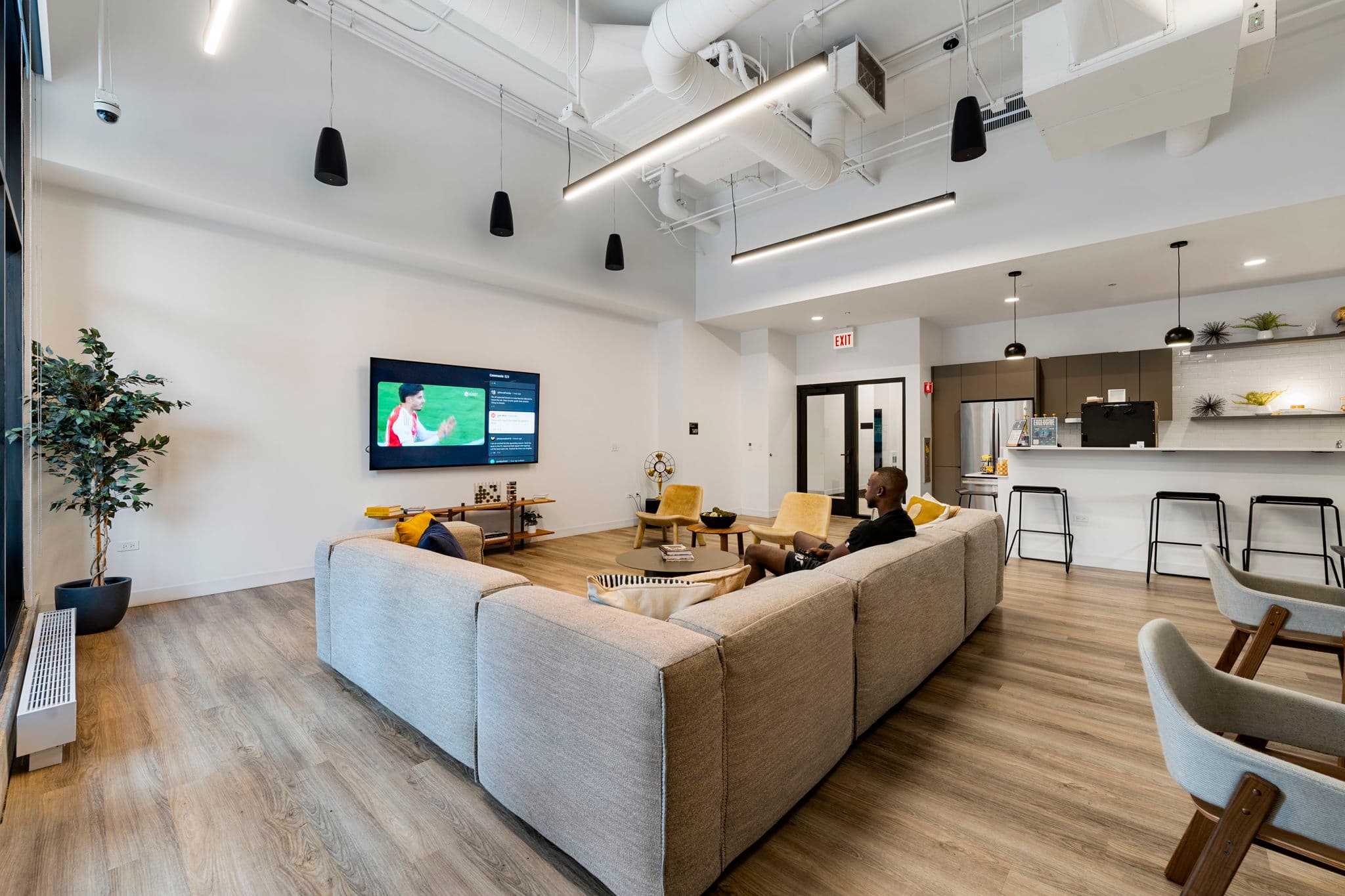
- Building amenities — fitness center, co-working space, rooftop terrace, coffee bar
- Flexible lease terms from 3 to 18 months
- No broker fee, no furniture costs, no utility setup
For people relocating to Chicago, starting an internship, or beginning their first job, co-living at Post Chicago removes the financial barrier that makes Lincoln Park feel out of reach. You get the best neighborhood in Chicago at a price that competes with the budget option.
According to Choose Chicago, Lincoln Park ranks consistently among the city's top neighborhoods for quality of life, dining, and outdoor recreation. Co-living makes it accessible at every budget level.
Lincoln Park at Lakeview Prices
Post Chicago starts at $1,350/mo all-inclusive — a private room in Chicago's best neighborhood, fully furnished. No hidden costs.
Check AvailabilityFAQ